Basement Finishing in Michigan: Egress, Ceiling Height, and Code Basics
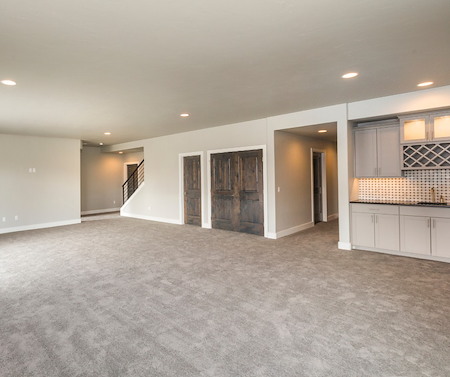
Planning basement finishing in Ann Arbor, MI means balancing your vision with safety and code requirements. The right plan turns an underused space into a comfortable, healthy part of your home while avoiding delays at inspection time. If you want a smooth start, our team can guide layout and material choices so they align with local rules and best practices, then handle the details. Explore how our basement refinishing services support a safe, code-ready project from day one.
What “Finished” Means Under Michigan Code
In Michigan, a finished basement is treated as livable space. That means it must meet health, safety, structural, and electrical standards similar to other floors in your home. The City of Ann Arbor and nearby townships enforce these rules through permits and inspections. The details can vary by municipality and by your home’s age and structure, so planning around code early saves time later.
At a high level, officials focus on safe exits, adequate ceiling height, proper wiring, protected mechanical systems, moisture control, and fire safety. Each of these areas affects how you design rooms, choose materials, and schedule work. When these come together, your basement lives and breathes like the main level, not like a converted storage room.
Permits and Inspections in Ann Arbor
Most basement finishing projects require permits. Inspectors typically review plans before work begins, then check rough-in work for framing, mechanical, plumbing, and electrical, and finally perform a close-out inspection once finishes are complete. Exact steps and timing vary by municipality and project scope. Schedule inspections before work gets covered so nothing needs to be torn out later.
Egress Basics for Safe Bedrooms
Basement bedrooms need a direct path out in an emergency. That is why an egress window or door is often required when you create a sleeping room below grade. The opening must be large enough for a safe escape and for first responders to enter. Window wells may need ladders or steps when they are deep. Requirements differ by city and project conditions, so check with the local building department early in design.
Always plan egress early. Window placement sets the bed wall, impacts natural light, and even dictates where furniture can go. In older homes around Old West Side or Burns Park, foundation walls and grade levels can limit where an egress can be added. A thoughtful plan looks at drainage around the window well, soil conditions, and how the new opening aligns with landscaping and walkways.
Ceiling Height, Ducts, and Bulkheads
Ceiling height is a core comfort and safety issue. Codes specify minimum clearances for habitable rooms, and finished surfaces or low beams can reduce headroom. In many Ann Arbor basements, ducts and plumbing lines travel down the center of the space. Options include rerouting services within joist bays, building a soffit, or creating a design feature that frames the area as a media nook or bar rather than a main walkway.
- Group ducts and pipes into one clean bulkhead instead of several small drops.
- Keep traffic paths under the highest parts of the ceiling for comfortable movement.
- Choose lighting that hugs the ceiling to maximize perceived height.
Tile or drywall ceilings each have tradeoffs. Drywall gives a seamless look and better sound control. Drop ceilings offer easier future access to valves and junctions. Your decision may depend on the age of your home and how often you expect to update wiring or plumbing.
Electrical, Lighting, and Fire Safety
Finishing a basement generally means new circuits, protected receptacles in areas near water, and updated smoke and carbon monoxide alarms tied into the home’s system. Hallways and stairs need proper lighting for safe travel. If your project includes a bedroom, make sure alarm placement and interconnection meet current standards. Utility zones for the furnace or water heater must remain accessible and often need separation from living spaces.
Work with a licensed electrician who designs lighting to match ceiling height and room use. Layered lighting helps low ceilings feel taller and reduces glare on screens. Do not lower ceiling height without checking code where beams, ducts, or fixtures cross a walkway.
Moisture, Insulation, and Indoor Air
Michigan weather brings freeze-thaw cycles, spring snowmelt, and summer humidity. Moisture control is essential before you add studs, drywall, or flooring. Look for signs of seepage or past flooding, evaluate exterior drainage, and consider dehumidification. Insulation and air sealing should support a comfortable, efficient space without trapping moisture where you cannot see it.
- Watch for efflorescence, musty odors, peeling paint, or damp carpet after rain.
- Confirm sump pumps and floor drains function as intended.
- Plan balanced ventilation so fresh air reaches enclosed rooms.
In Ann Arbor, spring thaws and heavy summer storms can push moisture into foundation walls. Check for damp spots after a rain before finalizing your layout. A short dehumidifier trial can prevent headaches during finishing.
Basements can also concentrate radon and other soil gases. Many homeowners test before framing, then integrate mitigation if levels call for it. Control moisture before you finish so insulation, flooring, and trim last.
Planning the Layout: Bedrooms, Bathrooms, and Storage
Good layouts start with safety, then build comfort around it. Place bedrooms where egress can be added efficiently. Keep bathrooms near existing drains when practical, and reserve space for a mechanical zone with clear access to equipment. Position storage along shorter walls or under soffits to turn obstacles into organized solutions.
If your home needs updates beyond the basement, you can coordinate finishes and fixtures across your project for a cohesive look. See how our wider services come together on the home remodeling services page to align styles, colors, and scheduling.
Flooring, Walls, and Sound
Choose finishes that feel warm underfoot and resist moisture. Many homeowners prefer hard-surface floors with area rugs for comfort and easy maintenance. For walls, consider durable finishes that allow minor humidity swings without issues. Sound control matters if the space hosts a media room or guest suite. Insulating interior partitions and using solid-core doors can make the lower level feel private, even during busy evenings upstairs.
Lighting, paint sheen, and trim profiles also play a role in how open the basement feels. Light colors, clean window lines, and continuous baseboard styles connect the lower level to the main level. This helps your finished basement feel like a natural extension of your home rather than a separate area.
Inspections: What to Expect
With permits in place, you will typically see a series of checkpoints. A structural or framing review comes after walls are built but before they are closed. Mechanical, plumbing, and electrical rough-ins are inspected before insulation and drywall. After finishes, a final inspection confirms that life-safety items, ventilation, and fixtures meet approved plans. Timelines vary by season and municipality scheduling.
Renaissance Renovations coordinates with local inspectors so your project stays on track. Our team documents what was installed and by whom, which makes future service easier. If you are ready to move forward, our basement refinishing team can outline the steps from design to final inspection and help you avoid common roadblocks.
Ann Arbor Details: Neighborhoods, Seasons, and Lifestyles
Homes in areas like Water Hill, Kerrytown, and the Old West Side often bring character and unique structural details. That charm can also mean uneven floors, older utilities, or tight stairways that shape today’s plans. Families near parks or trailheads may want mudroom-style storage by the basement door, while those close to downtown might prioritize a quiet office or guest suite. The right design adapts to your street and lifestyle so the new space gets daily use.
Seasonal timing matters too. Many homeowners prefer to schedule the noisiest phases outside of school and holiday rush. Basements can be finished year-round, but planning around spring precipitation and late-summer humidity helps with moisture testing and drying times.
How Renaissance Renovations Helps You Finish With Confidence
Every home is different, and so are local requirements. We start with a walk-through, capture measurements, and flag code-sensitive areas early. You get a clear, step-by-step plan that accounts for egress, ceiling height, wiring, insulation, and inspections. Our process focuses on comfort and durability so the finished rooms stay inviting through Michigan’s seasons.
If you are comparing options, talk to us about materials, layouts, and inspection sequencing that fit your home. We treat your lower level like a full floor of the house, not an afterthought. From first sketch to final sign-off, you will know what happens next and why it matters.
Ready to Start Your Basement in Ann Arbor, MI?
Prefer to see examples and discuss options in person? We can walk your basement, highlight egress and ceiling height considerations, and outline a build sequence that avoids surprises. When you are ready, we will align your goals with code basics and keep the project flowing through permits, rough-ins, and final inspection.
Control the details now, enjoy the space later with a clear plan and a dependable team at your side.