3-Season vs. 4-Season Sunrooms: Which One Should You Build in Michigan?
If you live in Ann Arbor, MI, you know our weather changes fast. Spring can feel like winter, and a sunny fall afternoon can turn chilly at sunset. That is exactly why the right sunroom choice matters. Below, you will find a clear, local guide to decide between a 3-season and a 4-season sunroom, plus what affects comfort in real Michigan conditions. If you want ideas and examples, explore our sunrooms and porches to see how a new room can fit your home and lifestyle.
What Is a 3-Season Sunroom?
A 3-season sunroom is designed for spring, summer, and fall. It typically uses lighter wall construction and does not rely on permanent heating and cooling. The space feels like a bright porch you can close up during cool evenings or windy days.
Lightweight framing with screens and glass panels that close against wind and rain
Single or double-pane glass, often without thermal breaks in the frame
No dedicated HVAC equipment, though portable heaters or fans may be used
Comfortable from roughly April through October in most Michigan years
Think about morning coffee, summer dinners, or a bug-free place to relax after a walk through Burns Park. In winter cold snaps, a 3-season room cools down quickly once the sun sets. It shines when you want fresh air, shade, and a closer connection to the backyard without fully committing to year-round conditioning.
What Is a 4-Season Sunroom?
A 4-season sunroom is built like a true addition with insulated walls, high‑performance windows, and a stable temperature target all year. It stays comfortable during lake-effect snow, humid July afternoons, and crisp October nights.
Insulated walls, roof, and floor system with air sealing to reduce drafts
High‑performance double or triple-pane low‑E windows with warm-edge spacers
Thermally broken frames that limit heat loss and cold-to-warm condensation
Dedicated heating and cooling such as a ductless mini split for steady comfort
Picture a bright reading room in January or a quiet office that feels steady in temperature during video calls. Families near the Old West Side or Water Hill often choose 4-season construction when the room will double as a daily-use space like a playroom or homework nook.
Insulation, Windows, and Doors That Make the Difference
The gap between 3-season and 4-season mostly comes down to the building envelope. **Glass quality drives comfort** because wintertime heat loss and summer solar gain both flow through windows and doors. Look for low‑E coatings that balance heat retention with glare control, and select frames with thermal breaks to prevent cold glass-edge drafts around seating areas.
Insulation and air sealing work together. Walls and roof panels should be insulated to the level recommended for conditioned space, and seams must be sealed to limit air leaks. Pay attention to the floor. A slab or deck platform needs insulation and air sealing so your feet feel warm even when it is 15°F outside.
Local tip: Winter humidity from cooking and showers can push moisture toward the coldest surface. Reduce condensation risk by choosing thermally broken frames, using balanced ventilation, and keeping plants or humidifiers from crowding cold glass on the coldest nights.
Heating and Cooling Options for Ann Arbor Homes
In our climate, a dedicated system gives the best control for a sunroom used year-round. A ductless mini split provides efficient heating and cooling without tying into older ductwork. Electric radiant floor heat adds a gentle, even feel underfoot, while small, quiet air handlers manage summer humidity.
Some homes can extend existing HVAC, but only when the system and duct sizing are designed to handle the added load. **Avoid tying a sunroom into an undersized furnace** or using a register on a porch-grade room, because the main level can suffer and the sunroom will still swing in temperature. For a deeper overview of timing, sizing, and comfort tradeoffs, start with this primer on a 3-season vs. 4-season sunroom in michigan and how the choice shapes design decisions across your home.
When a 3-Season Sunroom Fits Best
Choose 3-season if you primarily want a covered, breezy place from April through October. It is perfect for families who spend summer weekends on the Huron River, then come home to an easy-clean space for snacks, board games, or watching storms roll through. The lighter construction keeps the space bright and airy with screens open on warm days.
Homeowners in neighborhoods with mature trees, like parts of Burns Park, enjoy 3-season rooms for shade and filtered light. If your house already has a cozy family room, a 3-season sunroom adds variety without changing how your household runs in the winter.
When a 4-Season Sunroom Is the Smarter Call
Pick 4-season if you want daily use in January and July. It is the right match for remote work, a quiet study, or a play space that parents can supervise from the kitchen. The sealed envelope and dedicated HVAC make it easy to maintain books, instruments, and electronics without worrying about frost or humidity swings.
If your current living room feels crowded during Michigan football season, a 4-season sunroom can absorb guests without sacrificing comfort. Families near downtown Ann Arbor or Kerrytown often like how a 4-season room creates a sunny, street-facing space that still feels private and quiet.
Site and Design Factors That Change the Decision
Orientation matters. South and west exposures collect more afternoon sun, which helps in winter but can call for shading in July. North exposures feel calmer year-round but rely more on insulation and glazing to keep the room inviting. Roof tie-ins, tree cover, privacy, and wind patterns also affect how the space feels on real Ann Arbor days.
If you are still weighing outdoor upgrades, this comparison of deck vs. patio in michigan is a helpful companion read. It shows how daily use, shade, and maintenance can shape the rest of your backyard plan around a future sunroom.
Comfort Checklist for Michigan Sunrooms
Use this quick list to match your plans with the right build level. It is not about rules. It is about how you plan to live in the room during our real seasons.
Plan electrical now for floor heat zones, reading lamps, holiday lights, and a vacuum outlet where you need it.
Choose window and door hardware that locks smoothly in cold weather and seals out spring pollen.
Ask about interior finishes that resist UV fading where the sun tracks across your floor.
Confirm the floor system and thresholds keep water outside during wind‑driven rain.
Comparing 3-Season and 4-Season in Plain Language
Here is the simple difference: **a 4-season room has continuous insulation and heating**, so it stays comfortable no matter what the thermometer says. A 3-season room works beautifully most of the year, especially for open-air living, but it will track outdoor swings more closely. If you picture everyday use in January, go 4-season. If you picture summer dinners with screens open and a cozy blanket in October, 3-season fits well.
Remember that designs vary by home size, materials, and season. Your choices around glass coatings, frame type, air sealing, and HVAC sizing are what turn drawings into a room that feels great in real life.
Design Steps With a Local Builder
The best way to decide is to start with a walk‑through of your home and a short conversation about daily life. We look at sun angles, nearby trees, and how the new room connects to your kitchen or living room. Then we model options so you can feel the difference between 3-season and 4-season in the plan, not just on paper. If you want to see the range of projects we tackle beyond sunrooms, browse our home remodeling services to understand how schedules and trades align.
When you are ready to turn ideas into a clear plan, our team can map out glazing, insulation, and HVAC choices for steady, quiet comfort. Many Ann Arbor homeowners find it helpful to review examples of orientation, roof ties, and light control. For inspiration and next steps, take a look at how our custom sunrooms come together with finishes that match the rest of the home.
Bring Natural Light Home, Year-Round
If you are on the fence, think about the two or three moments each day when you would use the room. Once we know that, we recommend the right envelope and system so the space feels great in all four seasons. A quick conversation and a simple sketch can save weeks of back-and-forth later, and it ensures the new room blends with the rest of your home from day one.
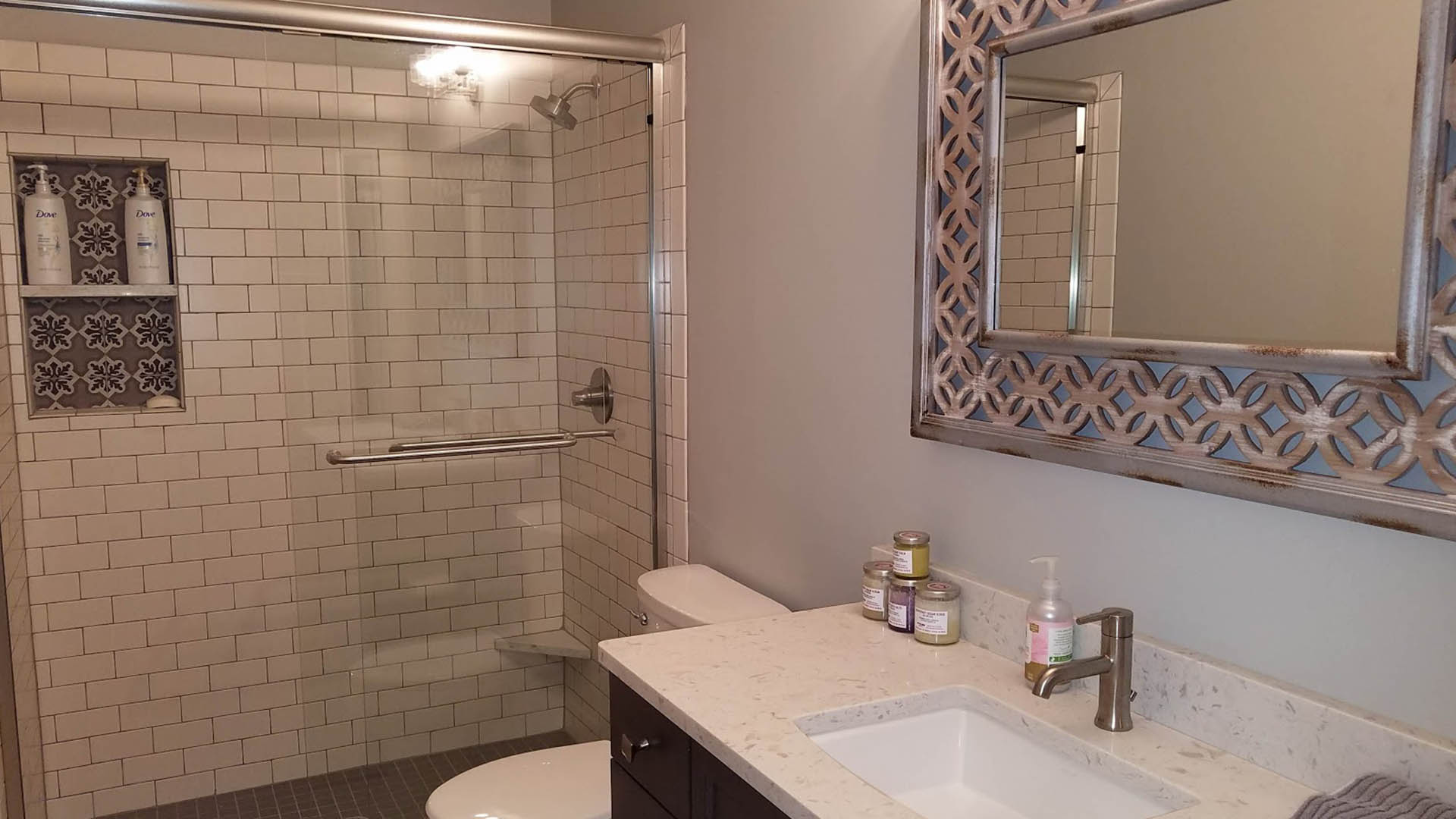
For this bathroom remodel in Milford, Michigan, we first removed a whirlpool type tub, a shower surround, the existing tile floor, the granite countertop, the lights and the mirror. We replaced it with a stand alone tub, a resort like tile shower, beautiful glass shower door, […]
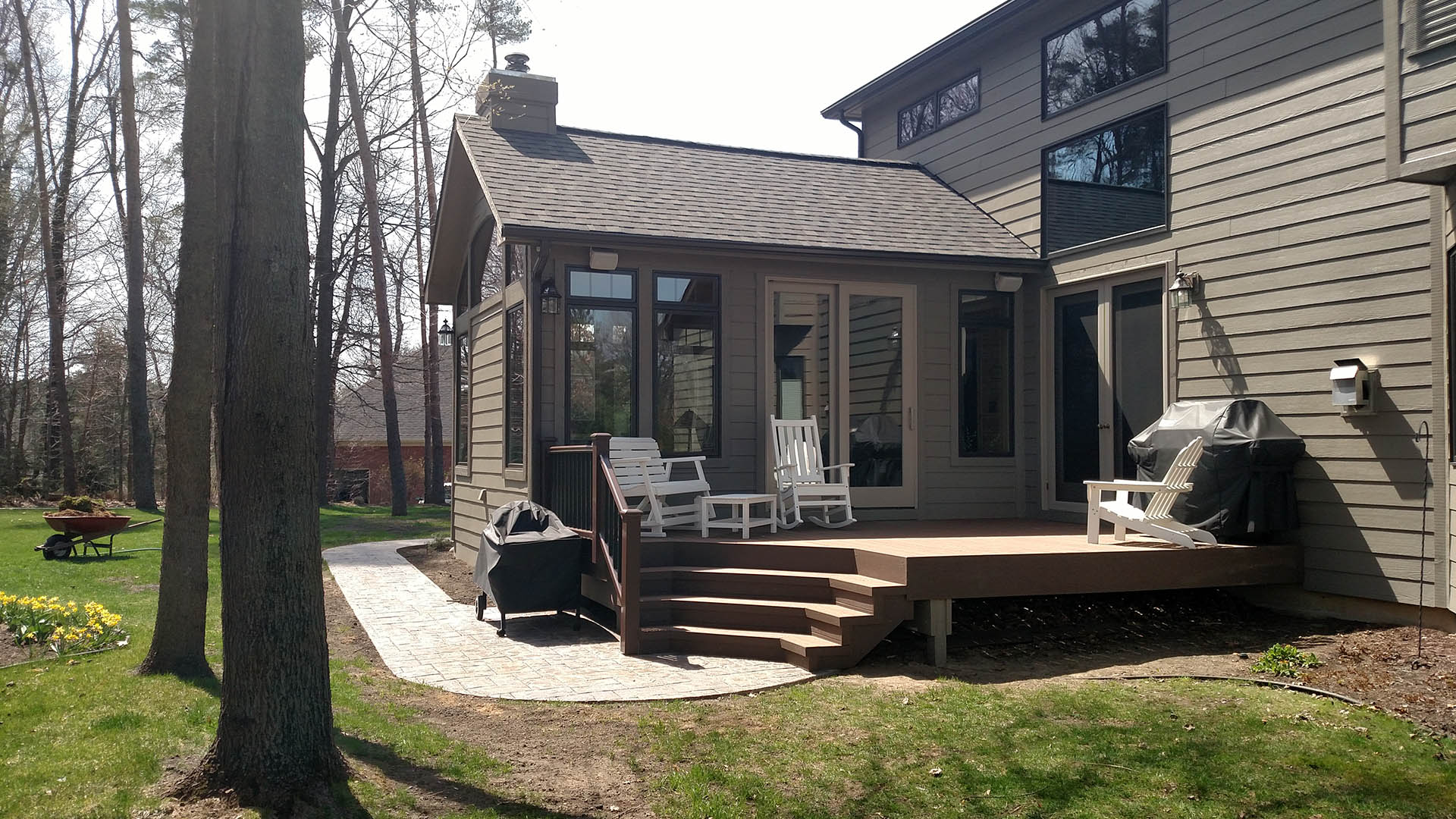
For this custom deck project, our customer had an old wooden deck on their house, and they wanted it rebuilt. We started by tearing it apart and rebuilding with new composite decking, and a new railing system. We also installed lighted post caps and stair risers. […]
Renaissance Renovations added a new, custom sunroom to this client's house. This sunroom features many windows and doors to bring in natural light. The interior is covered in knotty pine and features a wood burning stove with stone surround and arch transom windows above. The floor […]
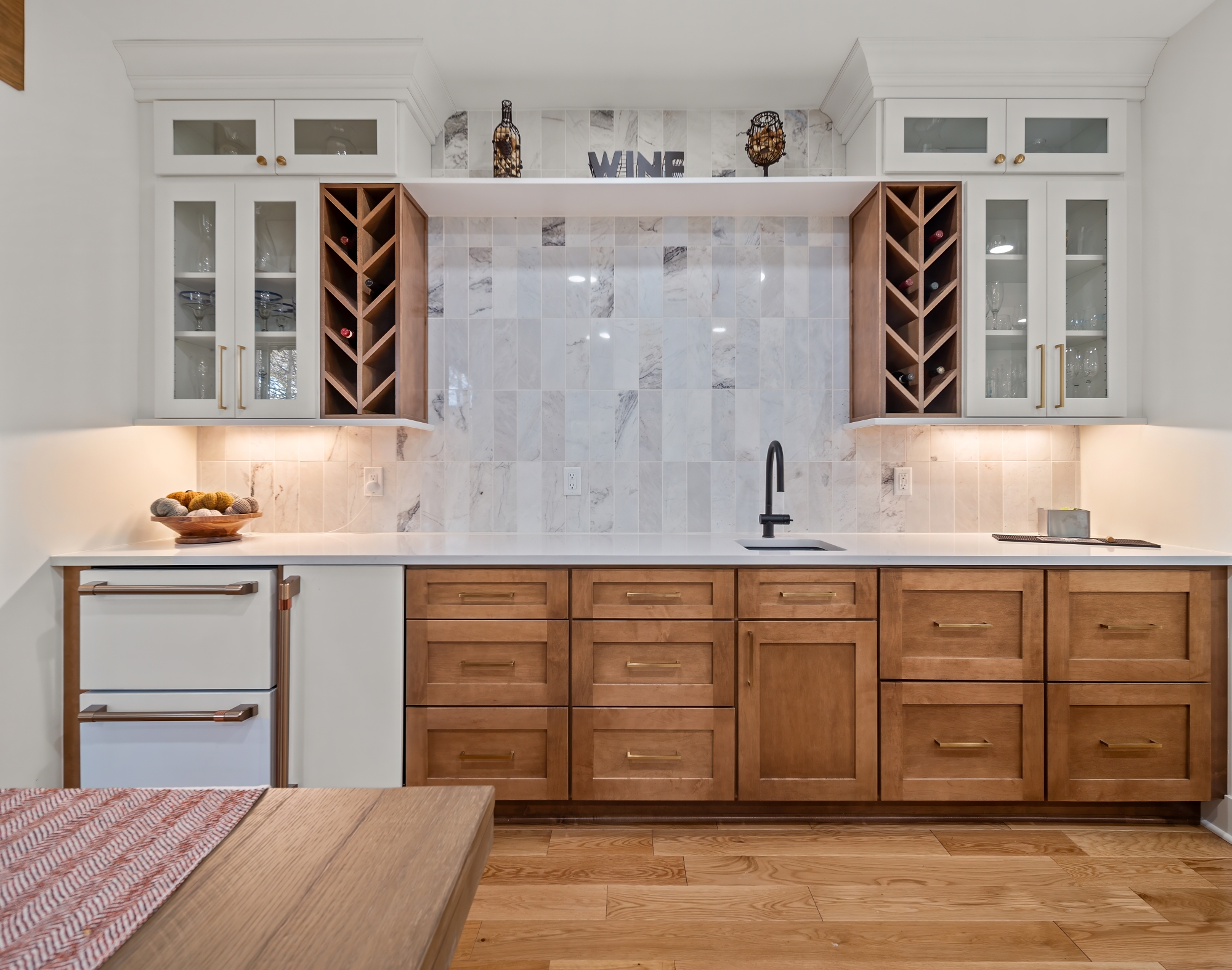
A smooth kitchen remodel in Brighton, MI starts long before demo day. Solid planning, early product selections, and clear communication keep your schedule on track. This guide shows you how to build a realistic timeline, what to finalize first, and how to avoid the most common […]
If you live in Ann Arbor, MI, you know our weather changes fast. Spring can feel like winter, and a sunny fall afternoon can turn chilly at sunset. That is exactly why the right sunroom choice matters. Below, you will find a clear, local guide to […]
You do not have to guess. With Renaissance Renovations, you get a friendly, step-by-step process that balances light, comfort, and durability. Call 810-227-0555 to talk through your goals, or set up a short on-site visit so we can outline a design that fits how you live.